Chess variants for four players. They play in two teams: Yellow and Red play against Green and Blue. The teammates support each other, and attack the other team together.
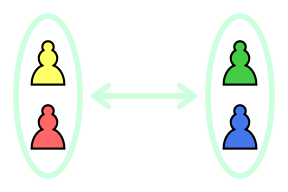
The game ends when someone gets checkmated. Then the checkmater team wins and the other team loses.
More detailed rules: Four-player chess. These variants differ only in the board and the movement of the pieces. The general rules are the same.
Back to the categories
Tamil Aunty Massage Instant
The lifestyle and culture of Indian women is a vibrant, evolving tapestry that blends millennia-old traditions with the demands of a fast-paced, globalized modern world. While deeply rooted in family and spiritual values, the contemporary Indian woman increasingly navigates a dual identity—balancing traditional domestic expectations with a drive for professional independence. Core Cultural Values and Family Roles
For advice on using massage to increase milk flow and recovery, Sarah Lavonne provides professional insights into these techniques. Facial Wellness: tamil aunty massage
An interesting feature of traditional Tamil massage is the focus on Varma points (vital points). Practitioners believe that body pressure at these specific anatomical points can release blocked energy, improve nerve function, and even treat chronic ailments. 2. Use of Medicinal "Tailams" The lifestyle and culture of Indian women is
- The Shift: Historically limited to roles like teaching or nursing, Indian women are now leaders in fields ranging from banking and biotechnology to space research (e.g., the women scientists behind India's Mars Orbiter Mission) and sports.
- Education: Female literacy rates have risen significantly. There is a strong cultural push for education, with parents often investing heavily in their daughters' futures.
- The "Double Burden": A common lifestyle challenge for the working Indian woman is the "double burden"—balancing a demanding career with the societal expectation of being the primary homemaker.
6. Challenges in the Cultural Framework
Despite progress, the shadow of patriarchy looms large. Issues of dowry, honor-based norms, safety in public spaces, and the "double burden" of work remain persistent struggles. Rural women, who make up a significant portion of the population, still walk miles for water and firewood, though government schemes and NGOs are slowly bridging the gap. The Shift: Historically limited to roles like teaching
- The Statistics: India has one of the highest rates of women in STEM fields globally, yet also one of the lowest female labor force participation rates. This paradox highlights the cultural pressure to prioritize domestic duties over professional ambition.
This connectivity has also fueled a shift in social perspectives. Discussions around body positivity, financial independence, and late-age marriage are no longer taboo. The modern Indian woman is using her voice to redefine traditional "norms," choosing a life path that prioritizes her personal aspirations alongside her cultural duties. Conclusion