Punjabi Dancer Video Target ((free)) | Sexy Pakistani Stage Mujra Lahore

Behind the Veil: Romantic Storylines and Relationships in Pakistani Stage Mujra (Lahore)

When the term "Mujra" is mentioned in the context of Pakistani culture, it often evokes strong, polarized imagery. For some, it is a relic of the Mughal courts, a dance of grace and storytelling. For others, it is synonymous with the vibrant, sometimes controversial, theater scene of Lahore’s fabled stage shows.

The "Dabba" Storyline

Dancers now perform "dedications" to specific social media users. A dancer might look into a cell phone camera and say, "Shahbaz bhai, aapke liye special, aap ki biwi ko pata hai aap yahan dekh rahe ho?" This creates a para-social romantic relationship, where the viewer at home feels a deeper connection than the man sitting in the front row.

The Final Curtain

So, is there real love in the Pakistani stage Mujra of Lahore? Behind the Veil: Romantic Storylines and Relationships in

Historically, the Mujra was a sophisticated form of dance performed for the Mughal elite, emphasizing poetry, subtle gestures, and classical Kathak movements. However, as entertainment evolved, the "Stage Mujra" emerged within the context of Lahore’s commercial theater.

The World of Stage Mujra

The world of Punjabi stage dance in Lahore, often referred to as "Modern Mujra," is a complex intersection of historical Mughal art, commercial theater, and contemporary digital media. While traditionally rooted in the classical Kathak dance performed by elite courtesans (Tawaifs), modern performances have evolved into high-energy, often sexualized entertainment that dominates the commercial theaters of Lahore and Faisalabad. Historical and Cultural Context

Pakistani stage mujra in Lahore is a complex performance art that blends ancient Mughal-era classical traditions with modern commercial theater. While it historically evolved from the sophisticated courtly dances of the Mughal elite, it is now primarily associated with Punjabi stage dramas The "Dabba" Storyline Dancers now perform "dedications" to

Title: Beyond the Ghungroo: Love, Longing, and the Unwritten Scripts of Lahore’s Stage

Gorilla Tag

Gorilla Tag

Another Axiom

Get

Screenshots & Videos

Community & Merch

Shop Official Merchandise

Shop Official Merchandise

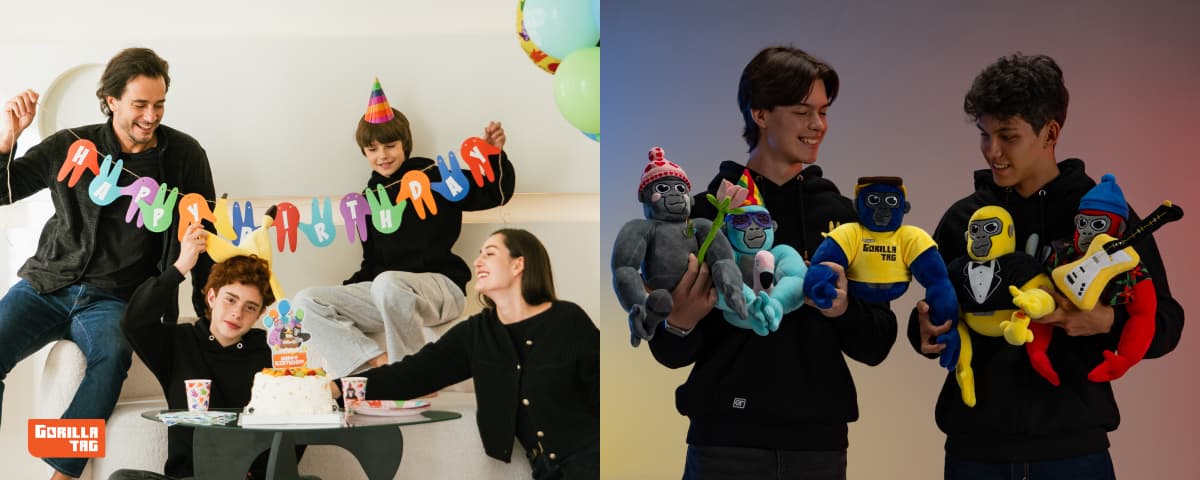
New products available: bed linens, pajamas, toothbrushes, a party kit, and plush!

Shop Merch

Behind the Veil: Romantic Storylines and Relationships in Pakistani Stage Mujra (Lahore)

When the term "Mujra" is mentioned in the context of Pakistani culture, it often evokes strong, polarized imagery. For some, it is a relic of the Mughal courts, a dance of grace and storytelling. For others, it is synonymous with the vibrant, sometimes controversial, theater scene of Lahore’s fabled stage shows.

The "Dabba" Storyline

Dancers now perform "dedications" to specific social media users. A dancer might look into a cell phone camera and say, "Shahbaz bhai, aapke liye special, aap ki biwi ko pata hai aap yahan dekh rahe ho?" This creates a para-social romantic relationship, where the viewer at home feels a deeper connection than the man sitting in the front row.

The Final Curtain

So, is there real love in the Pakistani stage Mujra of Lahore?

Historically, the Mujra was a sophisticated form of dance performed for the Mughal elite, emphasizing poetry, subtle gestures, and classical Kathak movements. However, as entertainment evolved, the "Stage Mujra" emerged within the context of Lahore’s commercial theater.

The World of Stage Mujra

The world of Punjabi stage dance in Lahore, often referred to as "Modern Mujra," is a complex intersection of historical Mughal art, commercial theater, and contemporary digital media. While traditionally rooted in the classical Kathak dance performed by elite courtesans (Tawaifs), modern performances have evolved into high-energy, often sexualized entertainment that dominates the commercial theaters of Lahore and Faisalabad. Historical and Cultural Context

Pakistani stage mujra in Lahore is a complex performance art that blends ancient Mughal-era classical traditions with modern commercial theater. While it historically evolved from the sophisticated courtly dances of the Mughal elite, it is now primarily associated with Punjabi stage dramas

Title: Beyond the Ghungroo: Love, Longing, and the Unwritten Scripts of Lahore’s Stage