
- Local Time: 12:38 AM
- Weather: 19 ℃ / 67 ℉
The combination of Proteus 8.9 SP2 Professional and Arduino IDE 1.8 provides an essential virtual laboratory for engineering students and hobbyists to design, test, and debug electronic systems without physical hardware. By integrating these two platforms, users can bridge the gap between firmware development and circuit simulation, ensuring that designs work perfectly before moving to a physical breadboard. The Power of Proteus 8.9 SP2 Professional
Leo leaned back, a smirk tugging at his lips. No smoke, no fried chips, and no expensive mistakes—just the perfect handshake between two pieces of software that made his basement feel like a high-tech R&D center. He hadn't spent a dime, but with this setup, he felt like he could build the world. for this specific version or help a circuit?
Arduino 1.8.x (specifically version 1.8.19 or 1.8.16) is often referred to as the "classic" Arduino IDE. Unlike the new 2.x version (which is based on a modern framework and is heavier), version 1.8 is lightweight, fast, and stable.
Arduino UNO Library for Proteus and other software - Campus Component
System-Level Simulation: Proteus VSM allows for real-time interaction between firmware and analog/digital peripherals on a single schematic. Integrating Arduino 1.8 with Proteus 8.9

Explore the top 100 ancient Egyptian gods and goddesses, Egyptian deities. Learn more about the names & p...
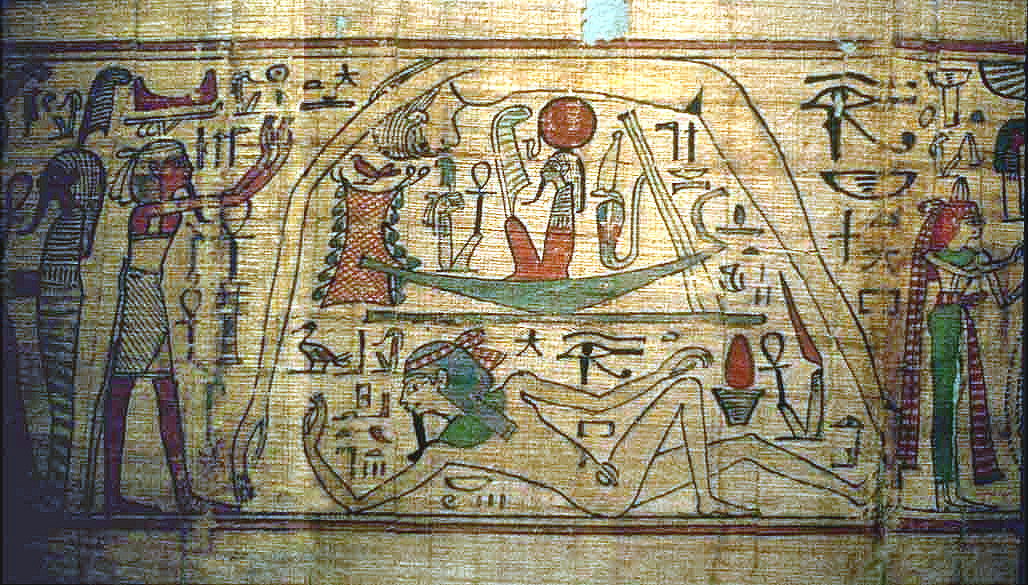
Explore Egypt’s creation myths and the roles of gods like Ra, Amun, and Osiris in shaping the cosmos, o... proteus 8.9 sp2 professional with arduino 1.8 free
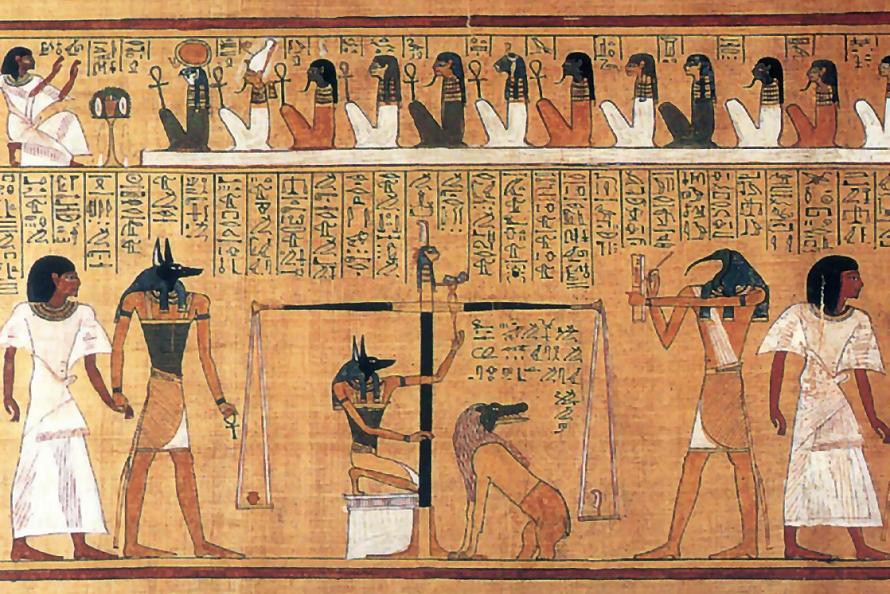
Discover the story of Egyptian mythology god Osiris, explore the hidden secrets of Egyptian mythology, kn... The combination of Proteus 8