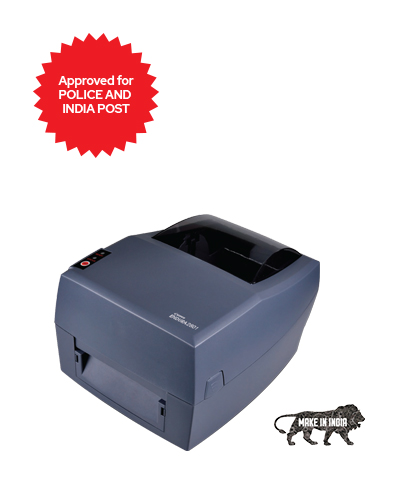

The storage capacity is ideal for holding multiple label images while printing 1000s barcode labels.
Endura 2801 is designed using ZPL and TSPL, the best programming languages to give commands to printers.
It supports a 300mm thermal transfer ribbon which helps print high-quality barcode stickers.
It maintains a high printing speed of 5 IPS fast labels throughout.
The story of the AG How Do You Survive rooted in the "Teacherpreneur" movement, specifically created by educator and designer Amy Groesbeck
This essay argues that “Ag” (agriculture) survives “font” (the medium of textual identity) not by resisting change, but by redefining what survival means. Survival is not about remaining untouched; it is about adaptability, memory, and the quiet persistence of function over fashion. Ag How Do You Survive Font
, noticed a gap in the market for fonts that were both "cool" and classroom-friendly. Many teachers felt stuck with generic system fonts or overused comic-style typefaces. Groesbeck began hand-drawing and digitizing her own lettering to give educators a way to make their newsletters, slides, and decor look professionally designed yet approachable. The "Survival" Theme AG How Do You Survive The story of the AG How Do You
In recent years, a curious trend has emerged among graphic designers seeking authenticity: the creation of “farm fonts”—rustic, slab-serif, distressed typefaces like Brothers, Vintage Farmhouse, or Haymaker. These are sold to suburbanites wanting to brand their pumpkin spice lattes or artisanal pickles. But actual agricultural businesses rarely use them. Why? Because real farm signage does not have time for irony. A font that looks “worn” but is digitally pristine is a costume. The real survivor is the method: painted stencils, magnetic vinyl letters on truck doors, grease-pencil markings on feed sacks. Use ANSI Z535 safety sign typography standards
Epilogue
If you want to survive the design critique, do not use Comic Sans. Use these:
Design a series of "Emergency Labels" for a classroom or office. Use the font for lighthearted headers like: ☕ "Liquid Patience" (Coffee bar label) 🍬 "Emergency Sanity" (Chocolate drawer) 🖍️ "Must-Do vs. May-Do" (Task lists for students) 2. Visual Storytelling: The "Day in the Life" Reel Create a video using the font for on-screen text overlays.
Check out the wide range of customized products for your business needs.